
Madison County Schools
From punitive to positive: How PACE Academy is building a culture of accountability, connection and support
At a glance
Challenge
- Create a consistent behavior and communication system that could work within PACE Academy’s unique structure as a K–12 program rather than a traditional school.
- Shift from a largely reactive, punitive approach to student behavior toward one centered on clear expectations, accountability and positive reinforcement.
- Strengthen communication and partnership with families of students in temporary or alternative placements.
Solution
- Implemented ClassDojo for Districts as part of PACE’s broader MTSS-B approach to student behavior and support.
- Unified behavior recognition, family messaging and program updates in one platform accessible to the adults working with students.
- Led with positive points and positive family messages, then gradually introduced corrective feedback.
- Gave students a voice in the recognition system, including behaviors to reward and the incentives available through the PACE school store.
Results
- Increased positive student behavior and student participation in the recognition system.
- Strengthened family confidence and communication, with 100% of surveyed parents reporting that their child feels safe and supported at PACE and that staff communication is clear and timely.
- Improved student behavior and decision-making, with 92% of surveyed parents reporting positive changes in their children, up from 86.6% the previous year.
- Strengthened direct communication between teachers and families while giving teachers greater ownership of classroom behavior and family relationships.
Moving beyond a punitive approach
PACE Academy isn’t a traditional school. The K–12 alternative program in Madison County Schools serves approximately 300 students over the course of a year, primarily students who have received placements following serious Code of Conduct violations. PACE also provides placements for students who may need a quieter, more structured learning environment.
Students transition in and out throughout the year, with the goal of helping them succeed academically and eventually return to their home schools.
When Michele Ming became PACE’s administrator, she spent her first year listening, observing and looking for opportunities to strengthen the program. One stood out.
The approach to student behavior had become largely reactive and punitive. If a student didn’t meet expectations, additional days could be added to the placement. One student had accumulated 45 additional days for sleeping during instruction. “That, to me, was not what this program should be about,” Ming said. “We have to get these kids back in their schools. That is the goal.”
Drawing on more than a decade of experience with multi-tiered systems of support (MTSS), Ming created an MTSS-B team at PACE and brought the program into Madison County Schools’ broader district work. The team established clear expectations and a defined progression of discipline so students understood both what was expected and what would happen when expectations weren’t met. But Ming didn’t simply want a more efficient disciplinary system. She wanted to shift the emphasis from reacting to negative behavior to recognizing and reinforcing positive behavior.
When Madison County Schools expanded its use of ClassDojo for Districts, PACE saw an opportunity to bring those efforts together. Today, staff use ClassDojo to recognize positive behaviors, document behaviors that need correction and communicate directly with families. Because PACE is a program rather than a traditional school and isn’t connected to PowerSchool’s student information system in the same way as the rest of the district, the PACE team worked with ClassDojo to adapt the implementation to its structure. Students are manually added when they arrive and archived when they return to their home schools.
The platform also gives teachers and other professionals working with PACE students, including its social worker and substance counselor, a shared way to recognize positive behavior and reinforce expectations. For Ming, having behavior information, family communication and recognition in one place was important. “It’s all of those components in one space,” she said.
"That, to me, was not what this program should be about. We have to get these kids back in their schools. That is the goal."
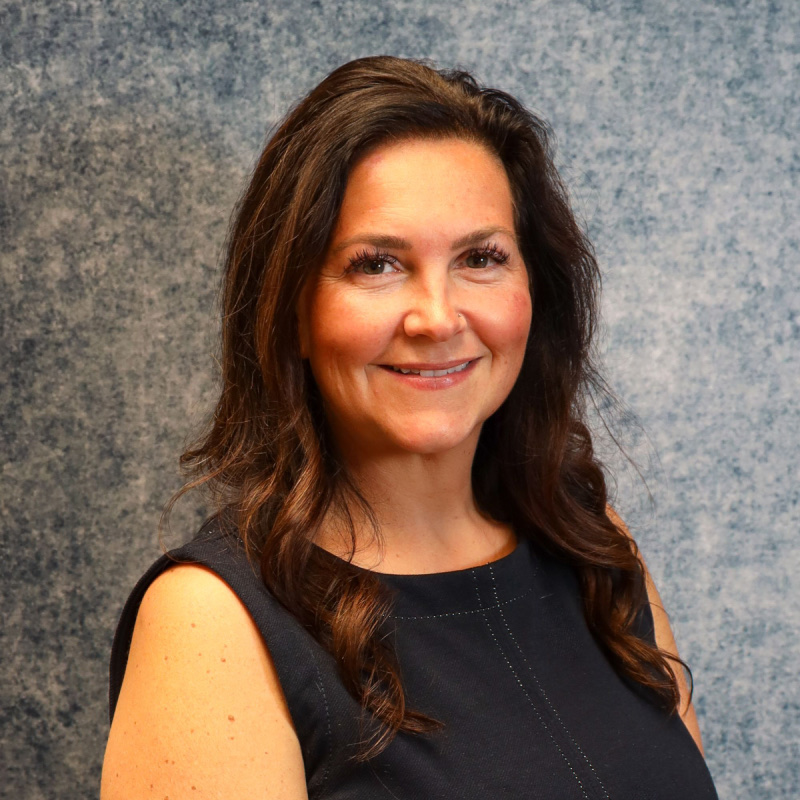
Michele Ming
PACE Administrator/Homebound
Practicing with positivity first
PACE’s implementation was deliberately gradual. For approximately the first six weeks, staff awarded only positive ClassDojo points. Ming wanted students, families and staff to become comfortable with the system before using it to document behaviors that needed correction.
She took the same approach with family communication. Teachers practiced using the messaging feature by sending positive notes home first. “I don’t want anyone’s first message from Dojo to be a negative one,” Ming said.
Ming describes the philosophy as banking “positive coins” in relationships. Build enough positive interactions first, and when correction becomes necessary, the relationship is strong enough to withstand it. The same principle applies to families. “They don’t only want to hear negative feedback,” Ming said. “They’ll stop listening. So, it is important to foster that positive connection.”
Families have embraced the more immediate, two-way communication. After receiving a message from a teacher through ClassDojo, one father responded and asked the PACE staff to relay a simple message to his child: “Please get your work done.” For Ming, exchanges like this reinforce the partnership she wants to build with families. “We are a team,” she added.
The approach also empowers teachers to communicate directly with families, recognize positive behavior and address concerns without automatically turning to Ming. She believes that ownership reinforces teachers’ authority in their classrooms and gives them greater confidence managing those student-family relationships.
Students have ownership, too. They provided input on what they wanted in the school store, helped name it and weighed in on behaviors they believe should earn or lose points. Rewards can include tangible items or experiences, such as having lunch with Mrs. Ming. “For students and teachers to invest in it and really believe in it, they have to be a part of that work,” she said.
Creating a place students want to succeed
PACE’s work goes beyond behavior. The program has two overarching goals: for 95% of students to leave with grades that are the same as or better than when they arrived, and to prepare students to be “community ready.”
That can mean helping students prepare for a driver’s permit, apply for a job or give back to their community. Students volunteer through a care closet on campus, and PACE brings in experiences designed to help them see themselves as contributing members of their communities.
Because many PACE students are there for disciplinary or other at-risk placements, the program takes student privacy seriously and doesn’t maintain traditional public-facing social media accounts. Instead, its ClassDojo Story feed gives families a window into experiences they otherwise might never see.
Staff can share moments such as financial literacy activities or a visit from an ambulance crew that allowed students to learn about the work of EMTs. Those glimpses show families that students aren’t simply serving out a placement. They’re continuing to learn, grow and prepare for what comes next.
Recent survey results reinforce that progress. In a survey conducted early in the 2026–27 school year, 100% of responding parents agreed that their child feels safe and supported at PACE, up from 97% the previous year. All respondents also rated communication from PACE staff as clear and timely, compared with 96% in 2025–26. Perhaps most significantly, 92% reported seeing positive changes in their child’s behavior or decision-making, up from 86.6%.
Students are reporting positive experiences as well. In the 2026–27 Student Experience Survey, 100% of respondents said they feel safe and respected at PACE, up from 90.3% the previous year. All respondents also agreed that PACE is helping them improve their behavior and academics and reflect on their choices, compared with 98% in 2025–26.
Ming has had parents and grandparents ask whether students can stay longer because they have thrived in PACE’s quieter, supportive environment. One grandmother of a former student recently showed up in Ming’s lobby when her grandson was struggling again. “I didn’t know where else to go,” she told Ming. “So, I came here.”
The change is noticeable even to those outside the program. A visitor who had been to PACE before immediately sensed the difference. “It just feels good in here now,” the visitor told Ming.
For Ming and her team, creating that kind of environment doesn’t mean lowering expectations. PACE remains highly structured. Instead, accountability now exists alongside positive reinforcement, stronger family communication and student ownership.
The goal isn’t simply better behavior while students are at PACE. It’s helping students see that they can make different choices, experience success and return to their school and community better prepared for what comes next.